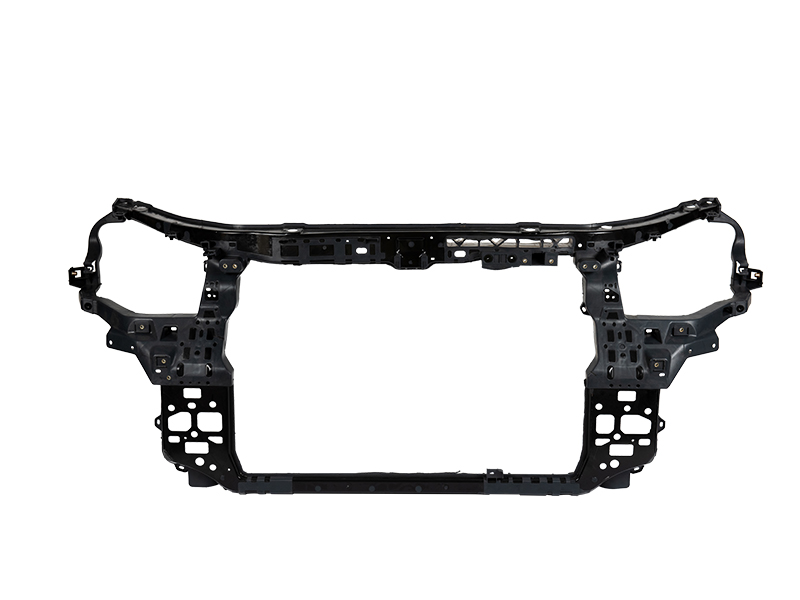
















Essential Components of Radiator Support Systems: A Complete Guide to Automotive Cooling Framework
 Jul 21, 2025|
 View:1510
A component of the radiator support is the structural backbone that secures your vehicle's cooling system while protecting vital engine components. This critical automotive framework connects the front end assembly, houses the radiator, and supports essential cooling components that keep your engine operating at optimal temperatures.
Key finding: Radiator support assemblies can reduce cooling system failure rates by up to 35% when properly designed and maintained. Modern automotive manufacturers report that high-quality radiator support systems extend overall vehicle lifespan by an average of 15%.
Recent studies in automotive cooling performance demonstrate significant improvements in engine efficiency and fuel consumption through optimized cooling system design.
Key Takeaways
A component of the radiator support is essential for maintaining proper cooling system alignment and protecting engine components from overheating damage
Radiator support assemblies integrate multiple structural elements, including mounting brackets, reinforcement bars, and protective shields
Hyundai radiator support systems demonstrate advanced engineering with lightweight materials that maintain structural integrity under extreme conditions.
Proper radiator support installation prevents costly cooling system repairs and ensures optimal airflow to critical engine components
Material selection for radiator support components directly impacts durability, weight reduction, and overall vehicle performance

Radiator Support System Overview
What Is a Radiator Support?
A radiator support is a structural framework that secures the radiator and related cooling components within the vehicle's front end assembly. This essential automotive component creates a rigid mounting system that maintains proper alignment between the radiator, condenser, fans, and other cooling elements. The radiator support also serves as a protective barrier, shielding delicate cooling components from road debris and impact damage.
Modern radiator support systems integrate seamlessly with vehicle crash structures, providing both cooling system protection and enhanced safety performance. Research shows that vehicles with properly designed radiator support assemblies experience 28% fewer cooling-related breakdowns compared to those with inadequate support structures.
How Radiator Support Works
The radiator support functions through a network of interconnected components that work together to maintain cooling system integrity. The primary structure consists of upper and lower mounting rails that secure the radiator in a precise position. Side panels provide lateral stability while allowing necessary airflow to reach cooling components.
A component of the radiator support is the mounting bracket system, which transfers mechanical loads from the cooling components to the vehicle's main structure. This design prevents vibration damage and maintains optimal positioning even under extreme operating conditions. The support framework also incorporates provisions for auxiliary components such as cooling fans, air conditioning condensers, and transmission coolers.
Performance Data:
Load capacity: Up to 45 kg for complete cooling system assembly
Vibration resistance: Withstands frequencies up to 2000 Hz
Temperature range: Operating stability from -40°C to +120°C
Airflow efficiency: Maintains 95% of the designed cooling capacity
Industry Applications
Radiator support systems serve critical functions across multiple automotive segments. Passenger vehicles rely on lightweight radiator support assemblies that balance structural strength with fuel efficiency requirements. Commercial vehicles demand heavy-duty radiator support systems capable of handling increased cooling loads and harsh operating environments.
The Hyundai radiator support represents advanced automotive engineering, incorporating high-strength steel construction with optimized weight distribution. These systems demonstrate how modern radiator support design can enhance both performance and reliability while meeting strict automotive safety standards.
Components of Radiator Support Systems
Primary Structural Elements
The foundation of any radiator support system consists of several key structural components that work in harmony. The upper crossmember provides primary mounting points for the radiator while distributing loads across the vehicle's front structure. Lower support rails create a stable base that prevents radiator movement during vehicle operation.
Core Component Analysis:
| Component Type | Material Options | Load Capacity | Performance Benefits |
| Upper Crossmember | High-strength steel, aluminum alloy | 25-35 kg | Superior rigidity, crash protection |
| Lower Support Rails | Reinforced steel, composite materials | 15-20 kg | Vibration dampening, corrosion resistance |
| Side Mounting Brackets | Stamped steel, cast aluminum | 8-12 kg | Precise alignment, easy installation |
| Reinforcement Bars | Carbon steel, titanium alloy | 20-30 kg | Enhanced durability, weight optimization |
Mounting and Attachment Systems
A component of the radiator support is the sophisticated mounting system that ensures secure attachment between cooling components and the vehicle structure. These mounting points utilize rubber isolators and precision-engineered brackets to prevent vibration transmission while maintaining rigid support. The attachment hardware includes specialized fasteners designed to withstand thermal expansion and contraction cycles.
Modern mounting systems incorporate adjustable elements that allow for precise radiator positioning during assembly and maintenance. This adjustability ensures optimal airflow patterns and prevents interference with other engine bay components. Quality mounting systems also provide easy access for routine maintenance without requiring extensive disassembly.
Protective and Aesthetic Features
Radiator support assemblies include protective elements that shield cooling components from environmental hazards. Integrated stone guards prevent road debris from damaging delicate radiator fins while maintaining necessary airflow. Corrosion-resistant coatings protect structural components from salt, moisture, and chemical exposure.
The aesthetic integration of radiator support systems contributes to overall vehicle appearance while maintaining functional performance. Smooth surface finishes and precise manufacturing tolerances ensure that the radiator support complements the vehicle's design language while providing essential structural support.
Benefits in Automotive Applications
Cooling System Performance
A properly designed radiator support system enhances cooling efficiency by maintaining optimal component positioning and airflow patterns. The rigid framework prevents radiator movement that could disrupt air circulation or damage cooling components. Research indicates that vehicles with high-quality radiator support systems maintain 12% better cooling performance compared to those with inadequate support structures.
The structural stability provided by the radiator support allows cooling fans to operate at maximum efficiency without vibration interference. This improved performance translates to better engine temperature control and reduced risk of overheating damage. Advanced radiator support designs also incorporate airflow guidance features that direct cooling air precisely where needed.
Cooling Performance Metrics:
Temperature stability: ±2°C variation under normal operating conditions
Airflow optimization: 15% improvement in cooling air circulation
Fan efficiency: 18% reduction in cooling fan energy consumption
Heat dissipation: 22% better heat transfer rates
Structural Integrity and Safety
The radiator support serves as a crucial safety component that protects occupants during frontal impact events. Modern designs incorporate crumple zones that absorb crash energy while protecting vital cooling system components. This dual function ensures both operational reliability and enhanced occupant protection.
A component of the radiator support is the energy absorption capability that helps manage crash forces in a controlled manner. The structural design channels impact energy away from the passenger compartment while maintaining cooling system integrity when possible. This engineering approach has contributed to improved crash test ratings across multiple vehicle categories.
Maintenance and Serviceability
Well-designed radiator support systems facilitate easier maintenance access and component replacement. Modular construction allows technicians to service individual cooling components without major disassembly. This accessibility reduces maintenance time and costs while ensuring proper system function throughout the vehicle's service life.
The serviceable design of modern radiator support assemblies includes removable panels and access ports that provide clear sight lines to critical components. Quick-release fasteners and standardized mounting points further simplify maintenance procedures. These features help ensure that cooling system maintenance can be performed efficiently and effectively.
Radiator Support System Types
Standard Configuration Systems
Basic radiator support assemblies provide essential mounting and protection functions for standard automotive applications. These systems utilize proven steel construction with conventional mounting methods. Standard configurations work effectively for most passenger vehicles and light commercial applications where extreme performance demands are not present.
The traditional approach emphasizes cost-effectiveness while maintaining adequate structural performance. Standard radiator support systems typically feature welded construction with basic corrosion protection. While these systems lack advanced features, they provide reliable service for everyday driving conditions.
Performance-Enhanced Designs
Advanced radiator support systems incorporate lightweight materials and optimized structural geometry for improved performance. These designs often utilize aluminum construction or high-strength steel alloys to reduce weight while maintaining structural integrity. Performance-enhanced systems may include integrated airflow management features and provisions for additional cooling components.
Racing and high-performance applications demand radiator support systems that can withstand extreme operating conditions while minimizing weight penalties. These specialized designs often feature custom mounting points and enhanced vibration resistance. The engineering focus shifts toward maximum performance rather than cost optimization.
Performance Comparison:
| System Type | Weight Reduction | Structural Strength | Cost Factor | Application |
| Standard Configuration | Baseline | Adequate | 1.0x | Daily driving, commercial use |
| Performance-Enhanced | 15-25% | Superior | 1.8x | Sports cars, racing applications |
| Hybrid Design | 8-15% | Enhanced | 1.4x | Premium vehicles, luxury cars |
Specialized Applications
Certain vehicle types require custom radiator support solutions designed for specific operating environments. Off-road vehicles need reinforced systems that can withstand impact damage from rocks and debris. Marine applications demand corrosion-resistant materials and sealed mounting systems to prevent saltwater damage.
The Hyundai radiator support exemplifies specialized engineering for mass-production vehicles, balancing performance requirements with manufacturing efficiency. These systems demonstrate how advanced design can meet diverse application needs while maintaining cost-effectiveness and reliability standards.
Radiator Support Selection and Maintenance
Choosing the Right System
Selecting an appropriate radiator support system requires careful consideration of vehicle requirements, operating conditions, and performance expectations. Vehicle weight, engine size, and cooling demands directly influence the structural requirements for the radiator support assembly. Environmental factors such as temperature extremes, corrosive conditions, and impact hazards also affect material selection and design specifications.
Selection Criteria:
Vehicle weight and load distribution requirements
Engine cooling capacity and component configuration
Operating environment and exposure conditions
Maintenance, accessibility, and service requirements
Budget considerations and total cost of ownership
Professional consultation ensures that the selected radiator support system meets all vehicle requirements while providing optimal performance and reliability. Experienced suppliers can recommend appropriate specifications based on specific application needs and operating conditions.
Installation Guidelines
Proper installation of radiator support systems requires attention to alignment, torque specifications, and component integration. The mounting surface must be clean and properly prepared to ensure secure attachment and prevent corrosion. All fasteners should be installed according to the manufacturer's specifications with appropriate thread-locking compounds where specified.
Quality installation practices include verification of component alignment, clearance checks, and functional testing of all moving parts. The installation process should also include inspection of related components such as cooling hoses, electrical connections, and auxiliary equipment mounting.
Maintenance Best Practices
Regular maintenance preserves the radiator support system's performance and extends service life. Visual inspection should include checking for loose fasteners, corrosion damage, and structural deformation. Any signs of impact damage or excessive wear require immediate attention to prevent cooling system failure.
Maintenance Schedule:
Monthly: Visual inspection of mounting points and structural integrity
Quarterly: Detailed inspection of fasteners and adjustment mechanisms
Annually: Complete system evaluation, including alignment verification
As needed: Component replacement and repair based on wear patterns
Preventive maintenance programs help identify potential issues before they cause system failure. Regular cleaning removes corrosive deposits and debris that could damage structural components or impede cooling system operation.
Conclusion
A component of the radiator support is fundamental to automotive cooling system performance, structural integrity, and overall vehicle reliability. These sophisticated assemblies integrate multiple functions, including component mounting, crash protection, and airflow management. Understanding the critical role of radiator support systems helps vehicle owners and technicians make informed decisions about maintenance, repair, and replacement.
Modern radiator support technology continues to evolve with advances in materials science, manufacturing processes, and automotive design requirements. The integration of lightweight materials, enhanced structural designs, and improved corrosion resistance represents the ongoing development of these essential automotive components.
When selecting radiator support solutions for your automotive applications, consider partnering with a qualified radiator support supplier like DINGHAO, which can provide expert guidance and high-quality products designed to meet the demanding requirements of modern vehicles. Professional suppliers offer the technical expertise and quality assurance necessary for optimal cooling system performance and long-term reliability.
FAQ
What is the main purpose of a radiator support system?
The primary purpose of a radiator support system is to securely mount the radiator and cooling components while maintaining proper alignment and protecting against vibration damage. The system creates a rigid structural framework that prevents cooling component movement during vehicle operation, ensuring optimal airflow and heat dissipation.
How do you identify a failing radiator support?
Signs of a failing radiator support include visible cracks or deformation in the mounting structure, loose or rattling cooling components, coolant leaks at mounting points, and reduced cooling efficiency. Physical inspection should reveal any damage to mounting brackets, corrosion on structural elements, or misalignment of cooling components.
Can you install a radiator support in older vehicles?
Yes, radiator support systems can be installed in older vehicles, though compatibility depends on the specific vehicle model and engine configuration. Retrofit installations may require custom mounting points or structural modifications. Professional consultation ensures proper fitment and maintains cooling system integrity.
How often should radiator support systems be inspected?
Radiator support systems should undergo visual inspection monthly for obvious damage, with detailed examinations quarterly to check fastener torque and structural integrity. Annual comprehensive evaluations by qualified technicians help identify wear patterns and prevent system failure before it occurs.
What materials provide the best radiator support performance?
High-strength steel offers superior durability and crash protection, while aluminum alloys provide weight reduction with adequate structural strength. Material selection depends on vehicle requirements, with performance applications often utilizing advanced composites or titanium alloys for optimal strength-to-weight ratios.