











Is radiator support necessary?
 Dec 18, 2024|
 View:4744
The question "Is radiator support necessary?" often arises when vehicle owners face repair estimates after front-end damage or notice corrosion on this component. The short answer is absolutely yes—the radiator support is not an optional part that can be removed or left damaged without serious consequences. This critical structural component serves multiple essential functions that directly impact vehicle safety, cooling system performance, and overall drivability.
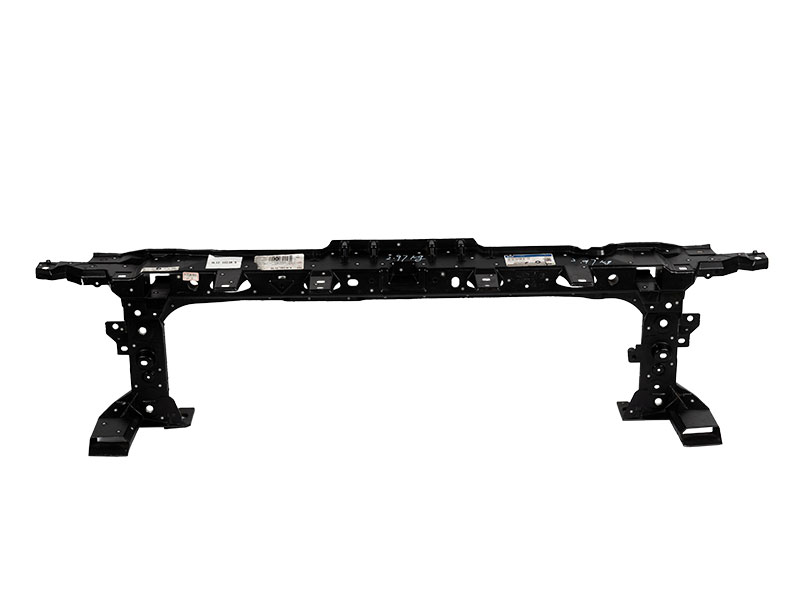
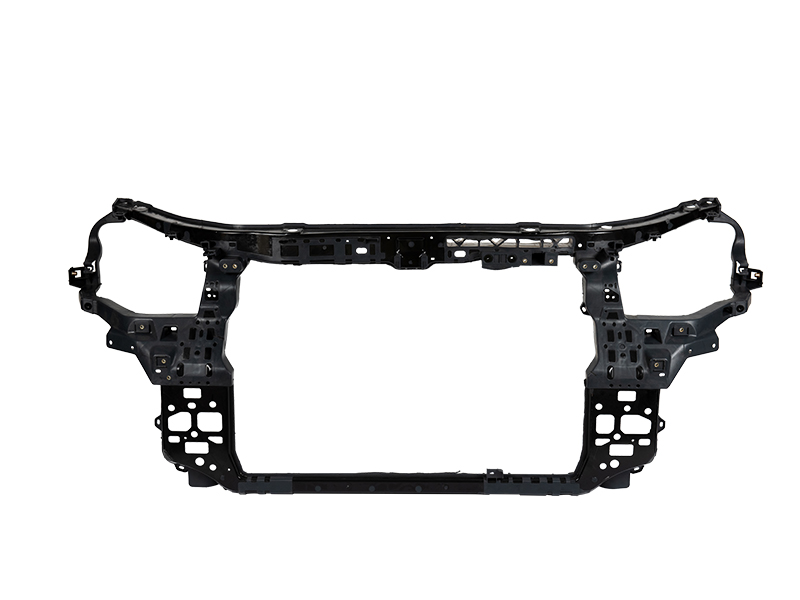
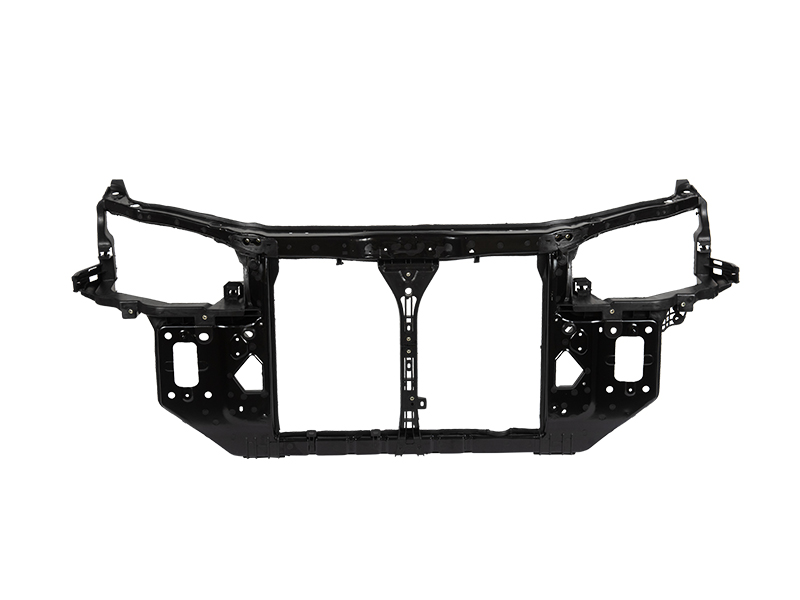
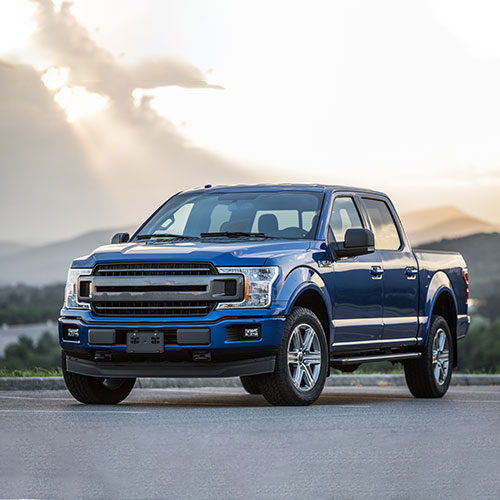
Understanding why the radiator support is necessary helps vehicle owners make informed decisions about repairs and appreciate the risks of delaying replacement. Whether dealing with a Ford radiator support showing signs of rust or a Hyundai radiator support damaged in a collision, recognizing this component's necessity prevents costly engine damage and potential safety hazards.
Key Takeaways
Radiator support is absolutely necessary—it cannot be removed or left damaged without severe consequences
It prevents engine overheating by maintaining proper radiator positioning and airflow
The support is essential for crash safety, absorbing impact energy to protect occupants
Without proper support, vehicles face mechanical failures, safety risks, and inspection failures
Replacement is necessary when damage compromises structural integrity or alignment
Why the Radiator Support Is Absolutely Necessary
The radiator support is not simply a mounting bracket—it is a fundamental structural component that the vehicle cannot function safely without. This framework serves as the foundation for the entire front-end cooling system while simultaneously acting as a critical safety element. Removing or operating a vehicle with severely damaged radiator support creates immediate and dangerous consequences.

Necessity #1: Preventing Engine Overheating
The radiator support maintains the precise positioning required for effective engine cooling. Without this rigid framework, the radiator shifts during vehicle operation, disrupting the carefully engineered airflow patterns that dissipate heat. The support holds the radiator at the exact distance from the engine and at the correct angle to maximize cooling efficiency.
When the support fails or is absent, hoses stretch and disconnect, coolant leaks develop, and the radiator cannot maintain proper contact with mounting points. These issues lead directly to engine overheating, which can cause catastrophic engine damage requiring thousands of dollars in repairs. The radiator support is therefore necessary to prevent engine destruction from thermal damage.
Necessity #2: Ensuring Collision Safety
Modern radiator supports are engineered as controlled crumple zones that absorb impact energy during frontal collisions. This design is necessary to protect vehicle occupants by dissipating crash forces before they reach the passenger compartment. According to research from the National Highway Traffic Safety Administration, front-end structural components like the radiator support play measurable roles in occupant protection during crashes.
Operating a vehicle without proper radiator support or with severely damaged support eliminates this protective crumple zone. In a subsequent collision, impact forces transfer directly to more rigid structures and ultimately to vehicle occupants, increasing injury severity. The radiator support is necessary for the vehicle's crashworthiness—its ability to protect occupants during accidents.
Necessity #3: Maintaining Component Alignment
The radiator support provides the only mounting structure for numerous critical components including the radiator, condenser, cooling fans, headlights, grille, and hood latch. Without this support, these components have no secure attachment point and cannot maintain proper positioning. Headlights become misaligned, the hood cannot close properly, and the air conditioning system fails as the condenser shifts out of position.
This component is necessary because no alternative structure exists to perform these mounting functions. The vehicle's frame or unibody structure is not designed to directly mount these components—the radiator support serves as the essential intermediary that makes front-end assembly possible.
What Happens When Operating Without Proper Radiator Support
Understanding the consequences of missing or severely damaged radiator support demonstrates why this component is necessary rather than optional. These consequences affect every aspect of vehicle operation, from basic functionality to legal compliance and safety.
Immediate Operational Failures
Without proper radiator support, the cooling system cannot maintain engine temperature. The radiator shifts position during driving, causing coolant hoses to pull loose or develop leaks. Even if hoses remain connected, the disrupted airflow reduces cooling capacity by 30-50%, making engine overheating inevitable during normal driving conditions.
Air conditioning systems fail when the condenser, which mounts to the radiator support, shifts out of alignment with the radiator. This misalignment blocks airflow and causes refrigerant pressure imbalances. The result is complete air conditioning failure, not just reduced performance.
Headlights mounted to the damaged or missing support point in random directions, creating dangerous nighttime driving conditions and visibility problems. The hood latch loses its mounting point, preventing secure hood closure and creating a safety hazard where the hood could open while driving.
Progressive Mechanical Damage
The absence of proper radiator support creates a cascade of mechanical failures. Vibration from unsecured components accelerates wear on radiator mounting tabs, causing them to break. Coolant hoses develop stress cracks from constant movement. Electrical connections to cooling fans and sensors fatigue and fail.
Research from the Insurance Institute for Highway Safety demonstrates that compromised front-end structural integrity significantly reduces vehicle crashworthiness, making the radiator support necessary for maintaining designed safety performance.
Legal and Safety Compliance Issues
Vehicles with damaged or missing radiator supports cannot pass safety inspections in most jurisdictions. Misaligned headlights alone cause inspection failure, and visible structural damage results in immediate rejection. This makes proper radiator support necessary for legal vehicle operation on public roads.
Insurance coverage may be voided if an accident occurs while operating a vehicle with known structural damage. Insurers can deny claims when pre-existing damage contributed to accident severity or injuries, making proper radiator support necessary to maintain insurance protection.
When Is Radiator Support Replacement Necessary?
Determining when replacement becomes necessary depends on damage severity and structural integrity. While minor cosmetic damage may not require immediate replacement, any compromise to the support's structural function makes replacement necessary to maintain vehicle safety and reliability.
Damage Assessment Criteria
The Society of Automotive Engineers provides guidelines for structural component assessment. Replacement becomes necessary when damage exceeds repairable limits or when structural integrity cannot be restored to factory specifications.
Minor surface rust or small dents that do not affect alignment or structural strength may not require immediate replacement, though monitoring is necessary. However, any damage involving cracks, tears, severe bending, or compromised mounting points makes replacement necessary rather than optional.
| Condition | Is Replacement Necessary? | Why It's Necessary | Risk If Not Replaced |
|---|---|---|---|
| Surface rust only | Not immediately | Structure remains intact | Progressive corrosion will eventually require replacement |
| Minor dent, no cracks | Not if alignment maintained | Structural integrity preserved | Reduced crash protection capacity |
| Visible bending/misalignment | YES - Immediately necessary | Component alignment compromised | Cooling failure, headlight misalignment, hood issues |
| Any cracks or tears | YES - Immediately necessary | Structural failure in progress | Complete support failure, engine overheating, safety hazard |
| Severe corrosion/thinning | YES - Immediately necessary | Strength critically reduced | Sudden catastrophic failure, no crash protection |
| Multiple impact points | YES - Immediately necessary | Cannot restore proper geometry | All cooling and safety functions compromised |
Cost of Replacement vs. Cost of Neglect
Understanding why radiator support replacement is necessary requires comparing replacement costs against the consequences of operating without proper support. Replacement typically costs $500-$1,200 including parts and labor for most vehicles. This cost is necessary to prevent far more expensive problems.
Engine replacement due to overheating damage costs $3,000-$8,000. Accident medical expenses and vehicle damage from compromised crash protection can reach tens of thousands of dollars. Failed safety inspections prevent legal vehicle operation. These consequences make the radiator support replacement cost necessary and justified as preventive maintenance rather than optional repair.
Is the Radiator Support Necessary for All Driving Conditions?
Some vehicle owners wonder whether the radiator support is necessary for limited driving situations, such as moving a vehicle short distances or driving at low speeds. The answer remains unequivocally yes—the radiator support is necessary regardless of how the vehicle is operated.
Low-Speed Urban Driving
Even at city speeds, proper radiator support is necessary. Stop-and-go traffic actually increases cooling system demands because reduced airflow at low speeds means the cooling fans must work harder. Without proper radiator mounting, the fans cannot move sufficient air through the radiator, leading to overheating even in moderate temperatures.
The support is also necessary at low speeds for collision protection. Urban accidents, though lower speed, still generate significant impact forces that damaged or missing radiator support cannot properly absorb, increasing injury risk.
Highway and High-Speed Driving
At highway speeds, the radiator support becomes even more necessary. High-speed airflow creates tremendous pressure on front-end components. Without rigid support structure, the radiator and condenser can actually deflect backward, reducing cooling efficiency precisely when cooling demands are highest during sustained high-speed operation.
The aerodynamic forces at highway speeds also cause unsecured components to vibrate violently, accelerating mechanical failures. Most critically, the support is absolutely necessary at high speeds for crash protection—highway collisions generate massive impact energies that only properly engineered crumple zones can safely manage.
Temporary or Emergency Driving
Even for supposedly temporary situations like driving a damaged vehicle to a repair shop, proper radiator support remains necessary. Engine damage from overheating can occur within minutes of sustained operation. A hood that detaches while driving creates immediate danger to the driver and surrounding traffic. Coolant leaks from unsecured radiators pose fire hazards when hot coolant contacts engine components.
For these reasons, vehicles with severely damaged or missing radiator supports should be transported by trailer rather than driven, even short distances. The radiator support is necessary even for emergency driving situations—no exception exists where operating without proper support is safe or advisable.
Why Proper Radiator Support Replacement Is Necessary
When replacement becomes necessary, using proper parts and professional installation is equally necessary to restore the component's critical functions. Makeshift repairs or substandard parts cannot fulfill the radiator support's essential roles.
OEM vs. Aftermarket: Quality Is Necessary
Quality parts are necessary because the radiator support must meet specific engineering requirements for strength, mounting precision, and crash performance. Original equipment manufacturer (OEM) parts guarantee these specifications are met. Quality aftermarket parts from reputable manufacturers can also meet necessary standards, typically costing 30-50% less than OEM while maintaining required performance characteristics.
However, lowest-cost aftermarket parts may use thinner metal or imprecise manufacturing that cannot fulfill the radiator support's necessary functions. When replacement becomes necessary, investing in quality parts is equally necessary to ensure the component can perform its critical roles.
Professional Installation Is Necessary
Professional installation is necessary because proper radiator support mounting requires precise alignment and torque specifications. The support must mount to the vehicle's frame or unibody at exact positions to maintain correct spacing and load distribution. Professional technicians use specialized measurement tools and alignment equipment to verify the replacement support meets factory specifications.
DIY installation risks misalignment that compromises cooling efficiency and crash protection. The cost savings from self-installation are not worth the risks when the radiator support's necessary functions depend entirely on correct positioning. Professional installation is necessary to ensure the replacement support actually fulfills its critical roles.
Making Radiator Support Maintenance Necessary
While the radiator support requires no routine maintenance, regular inspection is necessary to identify problems before they require emergency replacement. Incorporating support inspection into regular vehicle maintenance makes early detection possible when repairs remain simpler and less costly.
When Inspection Is Necessary
Inspection becomes necessary after any front-end impact, regardless of severity. Even minor parking lot incidents can cause structural damage that is not immediately visible but will progress over time. Insurance typically covers post-accident inspections, making professional assessment both necessary and financially accessible.
Annual inspection is also necessary for vehicles in harsh climates where road salt or coastal salt air accelerates corrosion. Early detection of rust allows protective treatments before replacement becomes necessary. For older vehicles, inspection every six months becomes necessary as age-related deterioration accelerates.
Preventive Measures That Are Necessary
In salt-exposure regions, regular undercarriage washing is necessary to prevent accelerated corrosion of the radiator support. Professional rust-proofing treatments become necessary for vehicles operated in harsh winter conditions. For vehicles driven on rough roads, front skid plate installation is necessary to protect the radiator support from rock impacts and debris damage.
These preventive measures are necessary investments that extend radiator support lifespan and prevent premature replacement. The modest cost of prevention is far less than emergency replacement costs when the support fails unexpectedly.
Final Answer: Yes, Radiator Support Is Absolutely Necessary
The radiator support is not an optional component that can be removed, ignored, or deferred when damaged. It is absolutely necessary for three critical functions: preventing engine overheating through proper radiator mounting, providing crash protection through engineered crumple zones, and maintaining alignment of essential front-end components.
Operating a vehicle without proper radiator support creates immediate risks including engine damage, cooling system failure, compromised crash safety, and legal compliance issues. The question is not whether the radiator support is necessary—it unquestionably is—but rather when replacement becomes necessary and how to ensure proper repair.
Vehicle owners who discover radiator support damage must recognize that replacement is necessary rather than optional. The relatively modest replacement cost is necessary to prevent catastrophic engine damage, maintain legally required safety standards, and protect vehicle occupants in the event of collision. Whether dealing with a Ford radiator support or Hyundai radiator support, prompt professional assessment and quality replacement are necessary to maintain safe and reliable vehicle operation.
The radiator support proves necessary in every sense—necessary for cooling, necessary for safety, necessary for legal operation, and necessary for protecting the substantial investment that a vehicle represents. Understanding this necessity helps vehicle owners prioritize proper maintenance and make informed decisions about timely repairs.
Frequently Asked Questions
Is it safe to drive without a radiator support?
No, driving without proper radiator support is unsafe and will cause immediate problems. The vehicle will overheat, components will misalign, and crash protection is eliminated. Even short-distance driving risks catastrophic engine damage and safety hazards. The radiator support is necessary—not optional—for safe vehicle operation.
Can I repair a damaged radiator support instead of replacing it?
Minor damage may be repairable, but replacement is necessary when cracks, severe bending, or corrosion compromise structural integrity. A professional assessment determines if repair can restore necessary strength and alignment. However, most collision damage makes replacement necessary rather than repairable.
Why is the radiator support necessary for engine cooling?
The support maintains precise radiator positioning necessary for effective cooling. Without it, the radiator shifts during operation, disrupting airflow and causing hose disconnections. This positioning is necessary to prevent overheating—the radiator cannot function properly without rigid support structure maintaining correct alignment and spacing.
Is radiator support necessary for passing vehicle inspection?
Yes, proper radiator support is necessary for inspection compliance. Damaged supports cause headlight misalignment and structural deficiencies that result in automatic inspection failure. Legal vehicle operation requires passing inspection, making proper radiator support necessary for maintaining legal driving privileges.
How do I know when radiator support replacement is necessary?
Replacement becomes necessary when visible damage includes cracks, tears, severe bending, or extensive corrosion. Signs that make replacement necessary include radiator misalignment, coolant leaks, headlight pointing issues, hood closure problems, or any front-end collision. Professional inspection after any impact is necessary to assess damage severity.
Are aftermarket radiator supports as good as necessary for safety?
Quality aftermarket supports from reputable manufacturers meet necessary safety and performance standards at lower cost than OEM parts. However, verifying quality is necessary—cheap aftermarket parts may not fulfill necessary structural requirements. Research and professional recommendations are necessary when selecting aftermarket replacements to ensure they meet required specifications.