














Top 5 Benefits of Choosing an OEM Radiator Support for Your Car
 Apr 22, 2025|
 View:1745
With the continued growth of car ownership, the radiator system, often referred to as the "lifeline" of the engine, plays a critical role in vehicle performance and safety. The quality of the Radiator Support, a key component that supports the radiator, directly affects heat dissipation efficiency, driving safety, and maintenance costs. In recent years, the market for non-OEM (Original Equipment Manufacturer) parts has become increasingly complex, with lower prices often hiding potential safety risks. This article delves into the five key advantages of choosing an OEM radiator support, guiding car owners in making informed decisions during repairs or upgrades.

Precision Fit: Ensuring Efficient System Operation
The design of the car radiator support is meticulously tailored to the vehicle structure, adhering to strict standards in terms of both materials and manufacturing processes.
Vehicle-Specific Design to Avoid Compatibility Issues
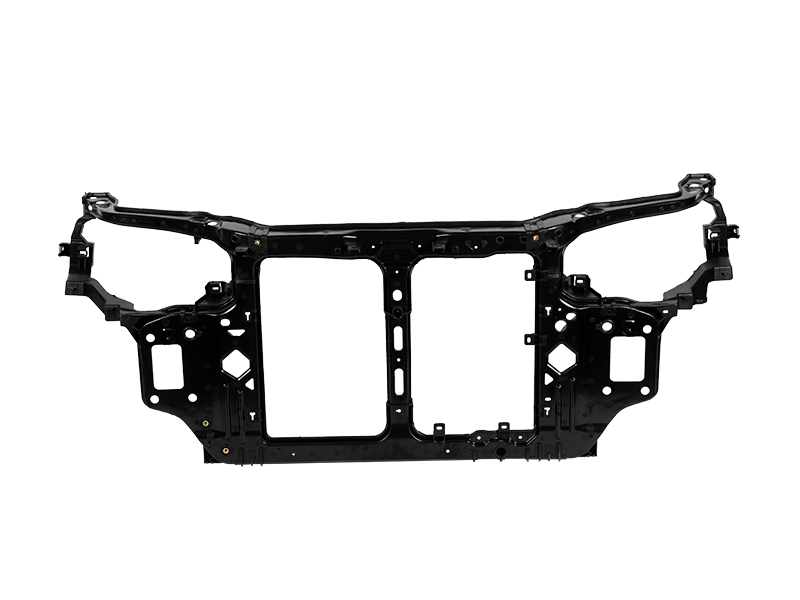
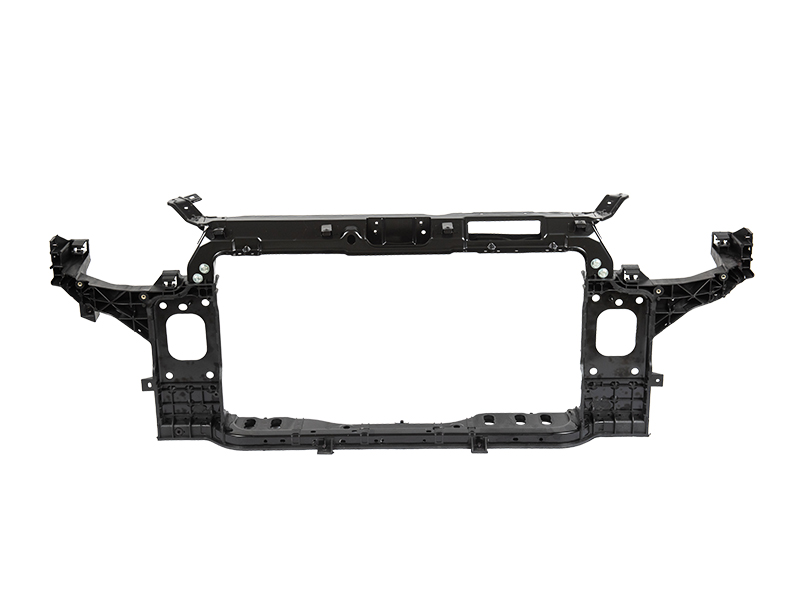
OEM radiator supports are developed based on the vehicle's chassis parameters, ensuring a perfect match with the radiator, engine compartment, and connection points. For example, certain vehicle models require integrated vibration-damping pads or airflow structures in the radiator support. Non-OEM parts may cause installation issues, such as increased vibrations or reduced heat dissipation efficiency due to size discrepancies.
Extending the Lifespan of the Radiator System
Precise hole placements and bracket angles help evenly distribute the radiator’s weight, preventing localized stress that could lead to metal fatigue and cracking, ultimately reducing the frequency of repairs.
Materials and Craftsmanship: Assurance of Strength and Corrosion Resistance
OEM radiator supports are typically made from lightweight alloys or high-strength steel, utilizing advanced processes to enhance durability.
Balancing Lightweight and Strength
For example, aluminum alloy supports, while maintaining the required strength, reduce the weight by 30%-40% compared to traditional steel, which helps reduce overall vehicle fuel consumption and improves handling. Some high-end models even use carbon fiber composites for further performance optimization.
Corrosion-Resistant Coating Technology
The surfaces of OEM radiator supports are usually coated with multiple layers of rust-resistant coating, tested through salt spray tests to ensure their corrosion resistance. This feature is especially useful in high-humidity or rainy regions, preventing the risk of bracket breakage due to rust.
Safety Performance: Protecting Driving Stability
The strength of the radiator support directly influences the vehicle’s safety performance in collisions.
High-Impact Structural Design
OEM radiator supports are optimized through finite element analysis (FEA), enhancing their structural integrity. For example, triangular or reinforced rib designs help effectively transfer impact forces during a collision, preventing radiator displacement from puncturing the engine compartment.
Reducing the Risk of Secondary Accidents
A stable radiator support assembly helps prevent the radiator from loosening or detaching in bumpy road conditions, reducing the risk of coolant leakage, engine overheating, and related safety issues during long-distance drives.
Heat Dissipation Efficiency Optimization: Enhancing Engine Performance
OEM supports do more than just provide structural support; they also incorporate design details that enhance the radiator system’s efficiency.
Aerodynamic Flow Design
Some radiator supports are equipped with flow guides or water channels that optimize airflow paths, allowing air to pass quickly through the radiator fins and improving heat exchange efficiency. Tests show that a well-designed airflow can reduce engine temperatures by 5%-8%.
Protective Features to Minimize External Interference
Built-in protective plates can shield the radiator's U-shaped pipes from impact by debris or stones, preventing damage that could degrade heat dissipation performance.
Long-Term Cost Efficiency: Peace of Mind and Savings
Although the initial cost of an OEM radiator support is higher, it proves to be more economical over the long term.
Reducing Repair Frequency and Associated Costs
Non-OEM supports are more prone to deformation, which can lead to damage to the radiator, fans, or even the engine. In contrast, the durability of OEM parts significantly lowers hidden costs related to repairs.
Retaining Value
Using OEM parts helps maintain the integrity of your vehicle’s service record, enhancing its resale value and offsetting the initial investment when trading the vehicle.
Conclusion: Investing in OEM Quality for Lasting Value
As the backbone of the car’s radiator system, the quality of the radiator support directly affects vehicle safety, performance, and operating costs. With its precision fit, material and craftsmanship advantages, safety design, heat dissipation optimization, and long-term economic benefits, the OEM radiator support emerges as the rational choice for car owners seeking to minimize risks and enhance driving experience. Looking ahead, as lightweight and intelligent technologies continue to evolve, OEM radiator supports will further push performance boundaries, setting higher quality standards in the automotive industry.